How to Choose the Right Fire Extinguisher
A comprehensive guide to understanding different fire classes and matching them with the correct extinguisher.
Choosing the right fire extinguisher is mostly about matching real-world risk. The correct unit is the one that fits your environment, your fire class exposure, and your team’s ability to use it quickly.
Fire classes, simplified
- Class A: ordinary combustibles (wood, cloth, paper).
- Class B: flammable liquids (fuel, solvents, oils).
- Class C: energized electrical equipment.
- Class K: kitchen grease and cooking oils.
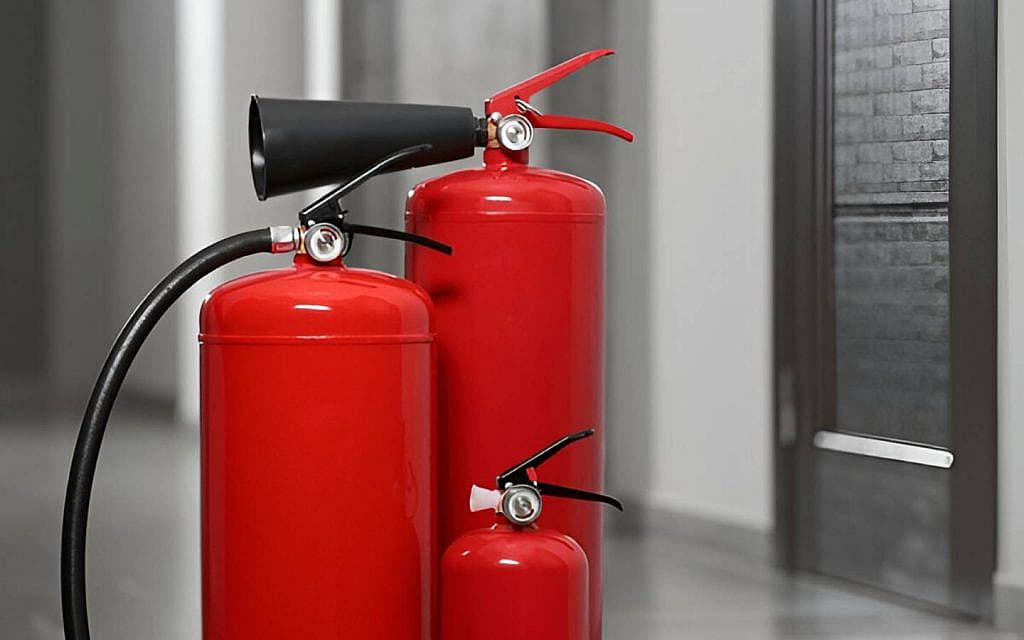
For mixed-use facilities, a zoned strategy works best: ABC dry chemical in general areas, CO₂ near electrical rooms, and dedicated kitchen suppression where required.
What most people miss
- Placement beats quantity: the closest accessible unit is the one that gets used.
- Clear signage matters: people don’t “search” during an incident.
- Training matters: a good unit fails if nobody knows the basics.
- Maintenance matters: pressure, seals, and servicing dates are non-negotiable.
Placement and maintenance still matter
Even the best extinguisher fails if it’s inaccessible or overdue for servicing. Think of extinguishers as part of a system: placement, signage, inspections, and documentation all work together.
A quick decision rule
If you’re unsure, start by mapping your risks (electrical, liquids, kitchen, storage). Then choose coverage per zone—not one-size-fits-all for the entire building.