The Importance of Annual Fire Safety Inspections
Learn why regular fire safety inspections are critical for your business compliance and safety.
Annual fire safety inspections are more than a compliance checkbox. They build operational confidence—making sure your alarms, pumps, hydrants, and extinguishers work together when seconds matter.
Why inspections matter
- Readiness: confirm systems respond under real pressure and real timelines.
- Risk control: catch small faults before they become costly failures.
- Accountability: keep records that stand up to audits and insurance reviews.
- Continuity: reduce downtime by fixing issues early and planning maintenance.
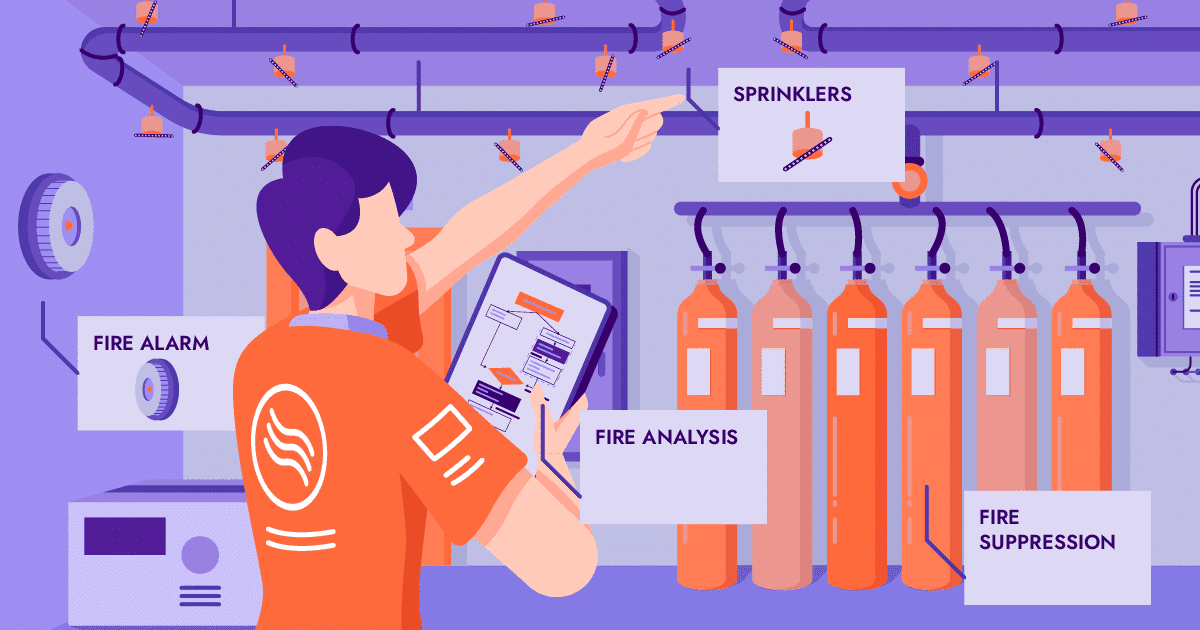
A professional visit should be structured and documented. Beyond ticking boxes, it should tell you what’s working, what’s at risk, and what to fix first—without interrupting operations.
What typically gets reviewed
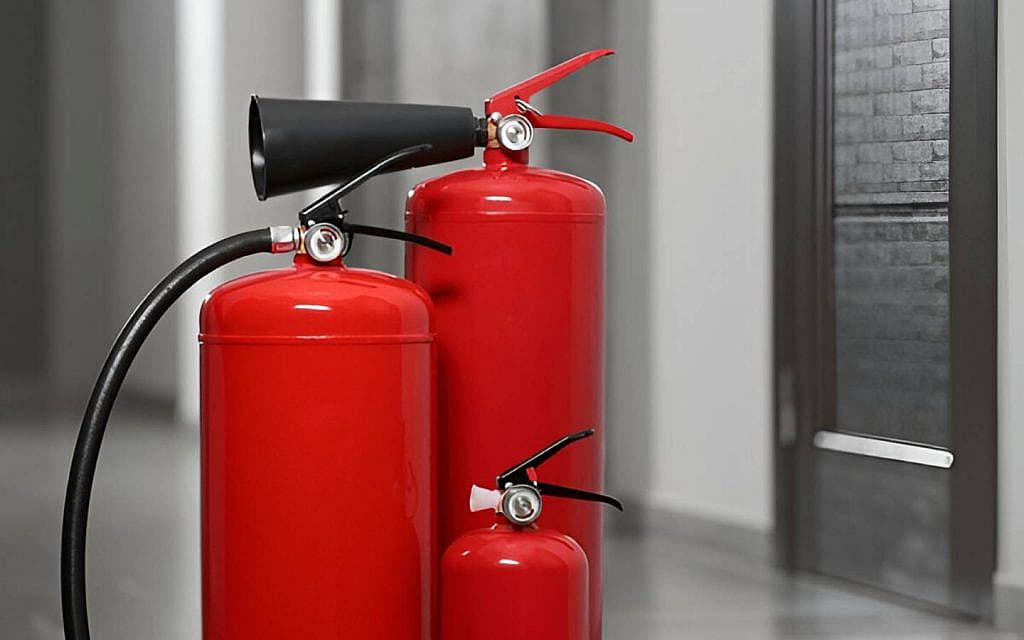
- Extinguishers: placement, pressure, seals, and service status.
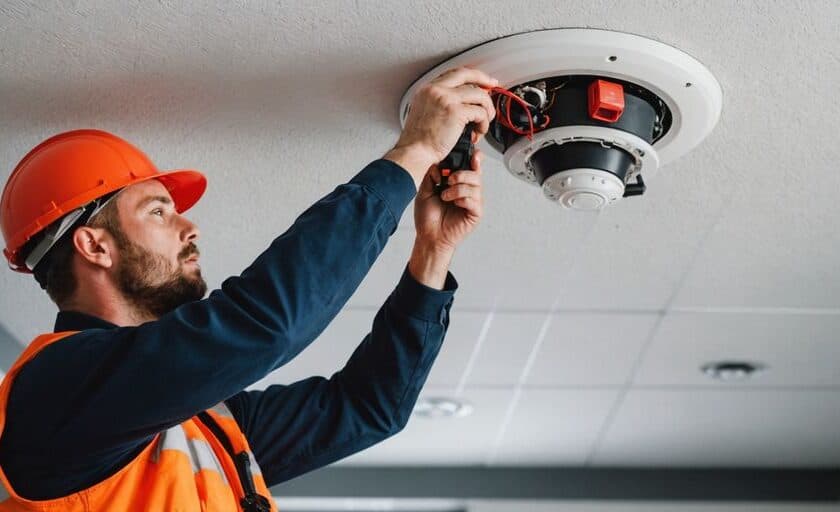
- Alarm coverage: zones, sounders/hooters, and detector health.
- Hydrant and hose systems: leaks, accessibility, and flow readiness.
- Pump room: power, pressure stability, and visible wear indicators.
- Signage and egress: clear paths, visibility, and basic readiness.
Recommended inspection cadence
High-occupancy and industrial sites often benefit from quarterly inspections. Lower-risk facilities may follow an annual compliance cycle supported by monthly visual checks and prompt corrective actions.
What you should expect from a professional visit
Clear reporting, documented observations, and a prioritized corrective list. The goal is not just “pass”—it’s resilient readiness with measurable improvement across your site.
A simple outcome to aim for
After the inspection, you should know three things: what is safe today, what could fail tomorrow, and what will improve your readiness the fastest.